Joana Rafael is an architect and researcher working on ecological issues related to pollution and contamination in buildings and territories, with a particular interest in the material conditions of construction and environmental contamination. Her research investigates the materiality and limits of physical infrastructures in relation to Earth systems, as well as human–nature relations mediated by dynamics of human impact, with particular attention to radiological contamination. In parallel, she develops a practice of collaboration with artists, research and writing, as well as consultancy on projects in the fields of architecture, art, and ecology. Joana has taught courses related to Contemporary Culture at institutions including ESAP, ISCE Douro, Central Saint Martins, and the University for the Creative Arts. She is a member of CEGOT and CEAA, and co-founder of REFINERY BOARD. Joana holds a Master’s degree in Architecture and Urban Culture from Metropolis, as well as a Master’s in Research Architecture and a PhD in Visual Culture from Goldsmiths, University of London. She also obtained a specialization certificate in Healthier Materials and Sustainable Construction from Parsons School of Design. She is currently completing a Master’s in Visual Arts Education. Alongside her academic work, Joana is a farmer.
Vida sobre o Estéril
Life Over the Barren: Vegetation in the Remediation of the Urgeiriça Waste Landscape - Fieldwork Observations
Published in portuguese as Vida Sobre o Estéril: Vegetação na Remediação da Paisagem de Descarte da Urgeiriça -
Observações de Trabalho de Campo
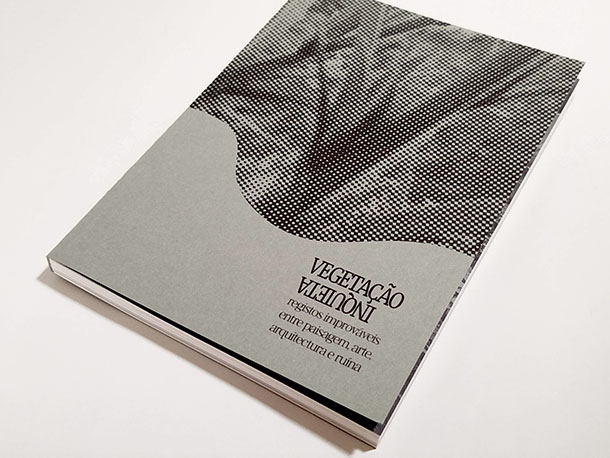
in Vegetação Inquieta: Registos Improváveis entre Paisagem, Arte, Arquitectura e Ruína edited by Centro de Estudos Arnaldo Araújo
Mining for nuclear materials in Urgeiriça, Portugal, caused 80 years of unsustainable development, transforming agricultural land into waste piles and tailings dams, resulting in severe environmental degradation. A renaturalization project stabilized mining waste, reshaped the terrain, and introduced vegetation to restore ecological balance and mask the scars of mining. This approach, combining native species and natural engineering, highlights vegetation's role in mitigating environmental damage and reintegrating the landscape.